Mehdi Sahabi: A Multifaceted Practitioner

A Note by Mojdeh Tabatabaei in Tajrobeh Magazine, No. 31
Mehdi Sahabi is one of the few artists whose previously unknown or lesser-known artistic facets continue to be discovered even after his death. From time to time, they emerge on the walls of exhibitions, or in the form of notes and articles published in magazines and online. Mehdi Sahabi’s photographs of the Revolution were precisely one such facet. They were exhibited for the first time in autumn 2021, as part of the exhibition Mehdi Sahabi: A Retrospective at the Tehran Museum of Contemporary Art, astonishing many artists and others who had known Sahabi personally, including some who had been his friends for many years. In the fervent days leading up to the Revolution, Sahabi, then a reporter for Kayhan, photographed and visually documented the events unfolding in the streets of Tehran. It is unclear to what extent he was able to make use of this collection of photographs in Kayhan, but years later, the negatives were discovered in the archive at his home during research for the museum’s book. I will never forget the excitement and delight that swept through me and the gallery team when we first saw these photographs laid out on the light table.
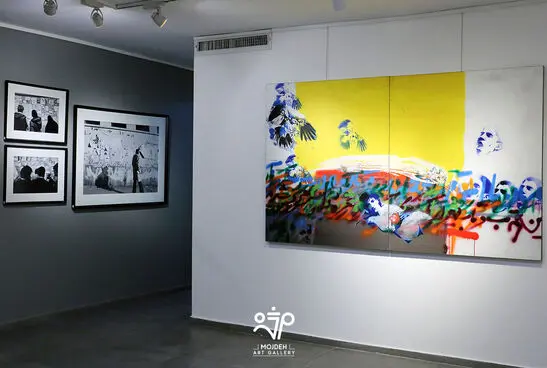
The discovered negatives were restored and reconstructed. Ultimately, several photographs were selected from among them, printed, and exhibited at the museum. Now, three years after that exhibition, Wall Allusions, curated by Saadat Afzood, was held in May 2024. The exhibition brought together a comparative and analytical examination of these photographs and Sahabi’s series of mural paintings, created between 2007 and 2009. The parallels revealed through this comparison were astonishing and surprising even to me. It is impossible to know how, and in what ways, Sahabi continued to carry the visual elements of those pre-Revolutionary days within his subconscious for years afterward—the last of his mural series dates to 2009—and eventually brought them onto the canvas as paintings informed by a new context and perspective.
Undoubtedly, Sahabi’s constant movement between literature, journalism, photography, and painting made him a multifaceted artist, giving rise to astonishing artistic creations that remain worthy of consideration and examination by researchers and critics, both in the fields of translation and literature and in the visual arts.
Mehdi Sahabi’s intellectual engagement—from his choice of stories and novels to translate, to the subjects of his paintings, his wooden birds, and his documentary photographs—made him a social actor who was consistently sensitive to and questioning of his time. His understanding and articulation of art took shape within society and among the people, and the paintings and photographs presented in Wall Allusions offered striking examples of this perspective. He transformed social and human concerns through his keenly observant gaze into his own distinctive account of society, giving them visual form.
These paintings invite viewers to look more deeply at the world around them and to reread history from a new perspective.
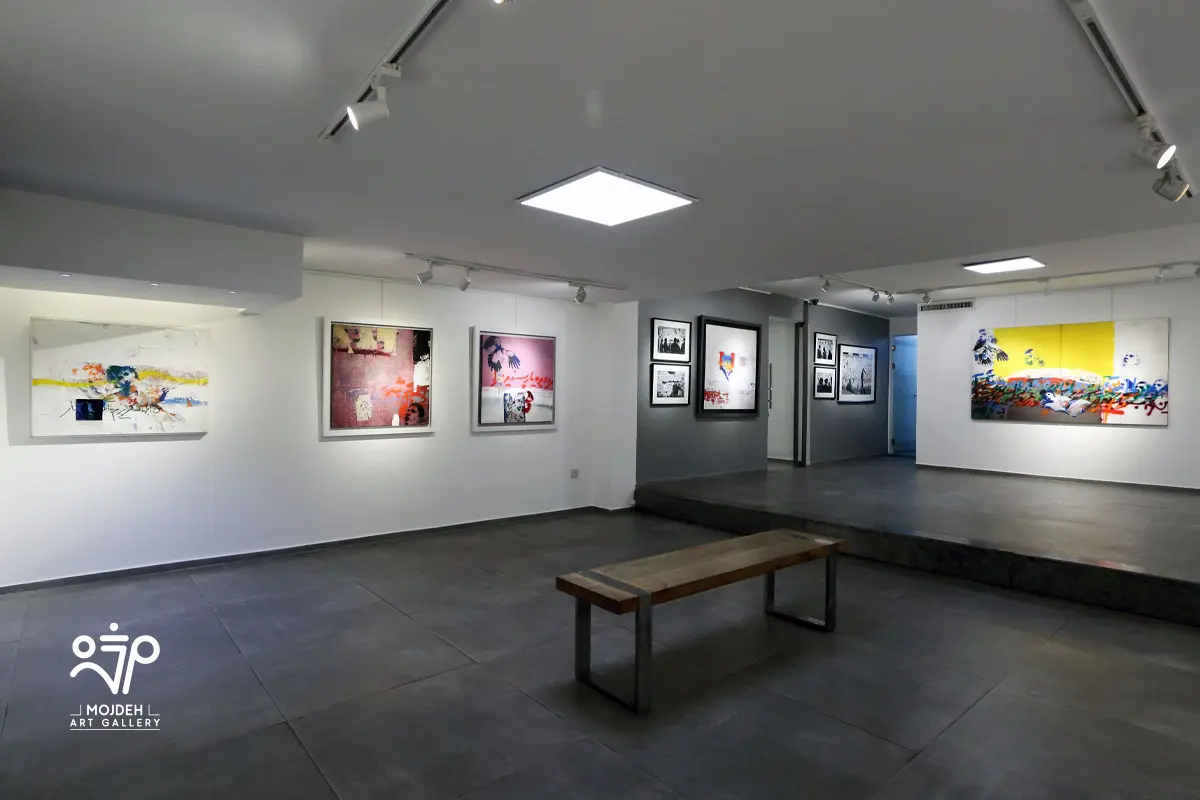
In Wall Allusions, Saadat Afzood marked her first curatorial project at Mojdeh Art Gallery with a thoughtful selection of murals and photographs, an intelligent installation, and a compelling curatorial statement.
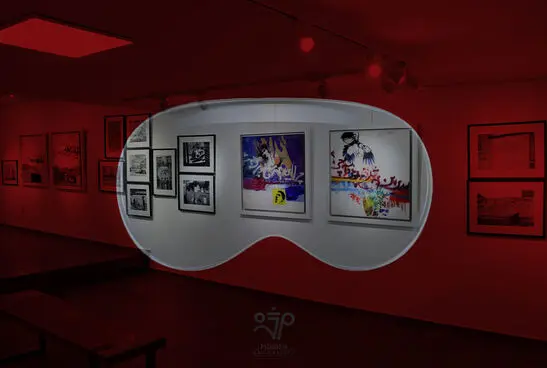
As this exhibition was the outcome of her academic research at the master’s level, she presented a video featuring Sahabi’s works viewed through the artist’s eyeglass lenses, compelling viewers to reflect on the deeper layers of the artist’s thought.
The exhibition was met with a highly positive response from audiences.
Mojdeh Tabatabaei / Founder and Director, Mojdeh Art Gallery